|
|
Li-Ion BMS options
A comparison of commercially available Li-Ion BMSs

These tables compare Li-Ion BMSs available on the market today.
This information does not constitute an endorsement of any of these companies and products.
While the information presented here is believed to be accurate, Elithion takes no responsibility for any errors.
Please send us comments, corrections and additions.
Spreadsheet of BMSs
Go to the Parametric BMS selector utility.
This table explains the difference between digital and analog BMSs, and between Protectors, Balancers, Monitors, Displays and Regulators.
|
| Reports individual cell voltages
| Balances the battery
| Requests that battery be switched off
| Includes switch to turn off battery
|
Digital:
knows where
the problem is
and by how much
| Protector
| ✓
| ✓
| ✓
| ✓
|
| Balancer
| ✓
| ✓
| ✓
|
|
| Monitor
| ✓
|
| ✓
|
|
| Meter
| ✓
|
|
|
|
Analog:
knows there's
a problem,
but doesn't know
where and
by how much
| Protector
|
| ✓
| ✓
| ✓
|
| Balancer
|
| ✓
| ✓
|
|
| Monitor
|
|
| ✓
|
|
| Regulator
|
| ✓
|
|
|
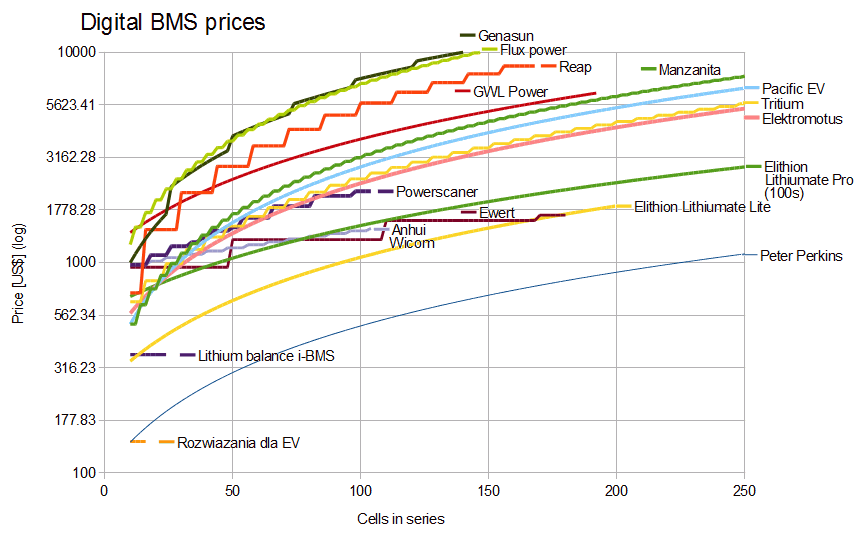
Digital Protectors and Balancers
Note: log scales. Sources: (15)
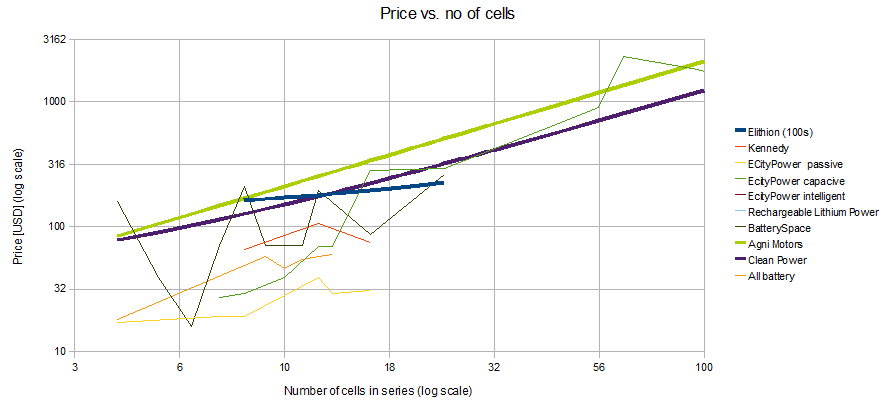
Protectors (thin line), Balancers (thick line).
Note: log scales. Sources: (15)
Sophisticated digital technology, able to measure and report every cell voltage, to balance the battery pack, and to cut-off the battery current.
To see additional information, hover your cursor over the  icons. icons.
Company
(1)
| Picture
(2)
| Model
| Topology
(3)
| No of cells
(4)
| Cell shape
(5)
| Current
| Temper.
(7)
| Curr.
sense
(8)
| "Fuel
gauge"
(9)
| Comm.
(10)
| Displ.
(13)
| Case
(14)
|
Chargery
China
GuangDong
| 
| B series
| Wired,
Centralized
| 1~12
| Any
|
| -
| -
| -
| -
| ✓
| Metal
|
Clayton power
UK
|  No longer selling off-the-shelf BMSs; custom BMS only No longer selling off-the-shelf BMSs; custom BMS only
|
| e-chip
| No longer selling BMSs
|
Emus
(Formerly Elektromotus)
Gintautas Paluckas
Lithuania
| 
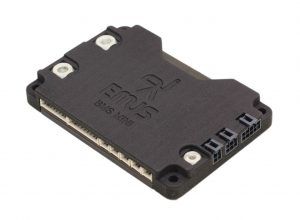
| BMS Mini
| Wired,
Centralized
| 6~16
| Any
| 45 A cont. / 100 A pk.
| 5
| ✓
| ✓
| CAN (CANOpen), LIN, RS-232, Bluetooth
| GUI
| Plastic
|
∝
Energus
Lithuania
| 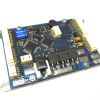
| S516
| Wired,
Centralized
| 5~16
| Any
| 60 A cont. / 150 A pk.
or
600 A cont. / 750 A pk
| ✓
| ✓
| ✓
| USART (USB / Bluetooth)
| CycleAnalyst
GUI (Android)
| Open board
|
Hunan group control energy technology Co., Ltd. (GCE)
China
∝
| 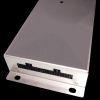
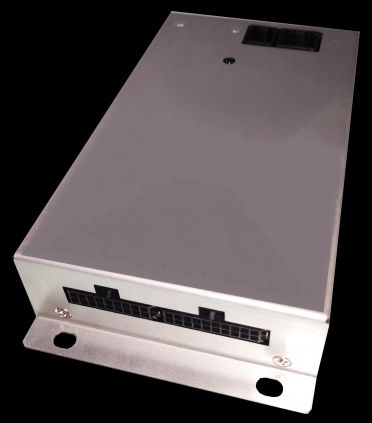
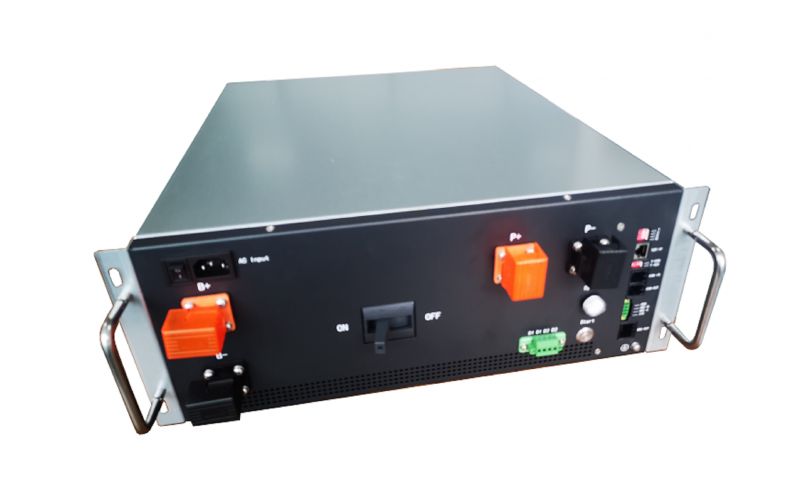
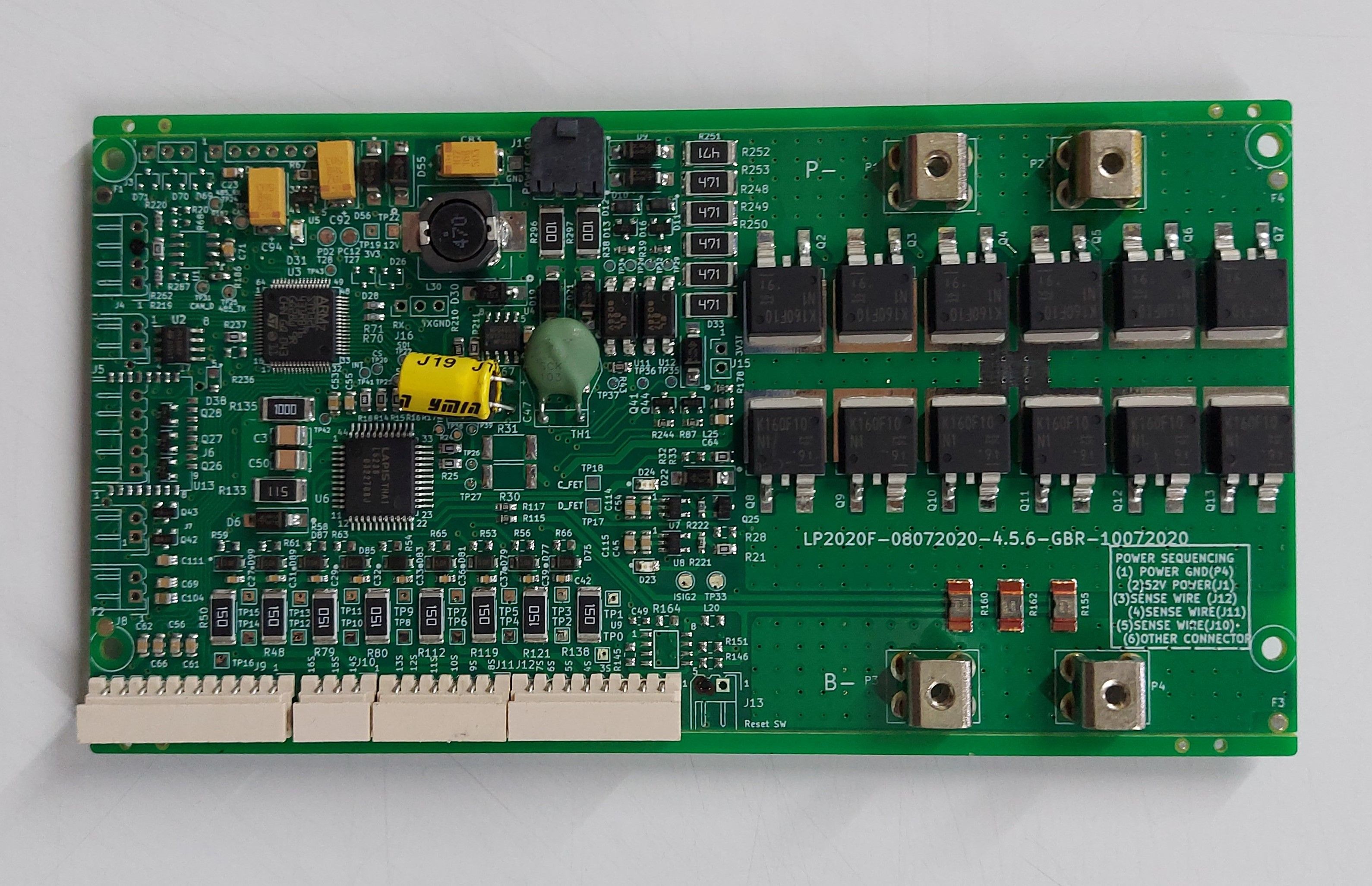
| 12S-16S BMU
| Wired,
Centralized
| 12~16
| Any
| ?
| ✓
| ✓
| -
| CAN
| -
| Enclosed
|
|
| 17S-24S BMU
| Wired,
Centralized
| ?
| Any
| ?
| ✓
| ✓
| -
| CAN
| -
| Enclosed
|
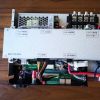
| ?
| Wired,
Centralized
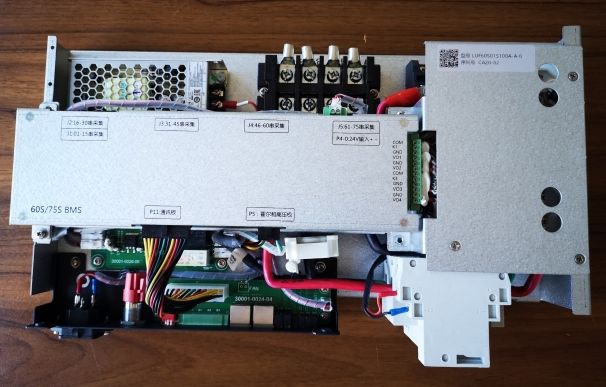
| RBMS07S-60S50A
| Any
| 50, 100
| ✓
| ✓
| -
| CAN, RS-485
| -
| Open asm
|
|
| RBMS07S-60S50A
| Wired,
Centralized
| 65~75
| Any
| 50, 100
| ✓
| ✓
| -
| CAN, RS-485
| -
| Open asm
|
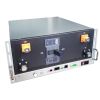
| ?
| Wired,
Centralized
| ?
| Any
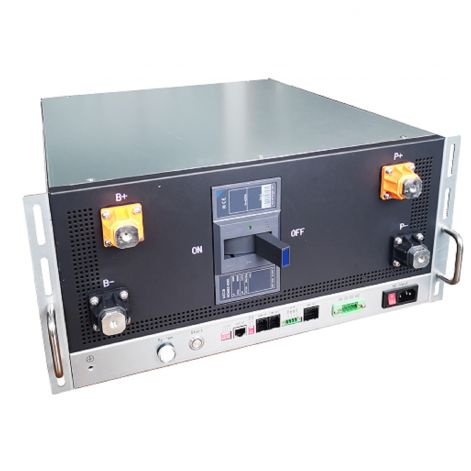
| 600
| ?
| ?
| -
| ?
| -
| 5U rack mount
|
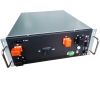
| ?
| Wired,
Centralized
| ?
| Any
| ?
| ?
| ?
| -
| ?
| -
| 4U rack mount
|
Green Eco
India
∝
| 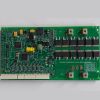
| Smart BMS
| Wired,
Centralized
| 5~32
| Any
| 50 A
| ✓
| ✓
| ✓
| RS-232, RS-485, CAN
|
| Open board
|
JTT
Vancouver, BC
Canada
∝
| 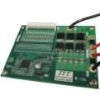
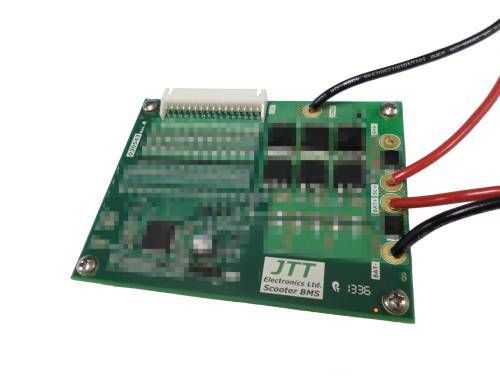
| P-Series
| Wired,
Centralized
| 5~13
| Any
| 25 A
| ✓
| ✓
|
|
|
| Open board
|
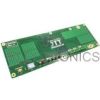
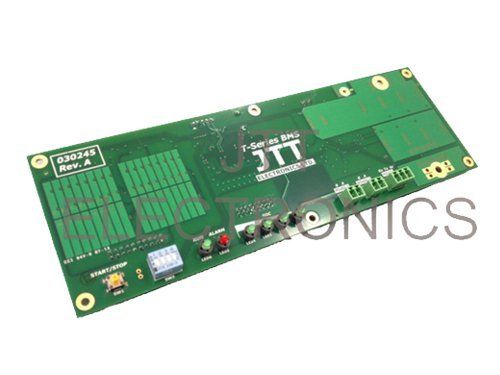
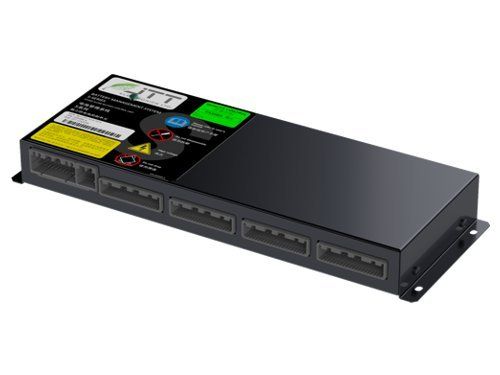
| T-Series
| Wired,
Master/slave
| 4~240
| Any
|
| 1 / 4 cells
| 300 A
| ✓
| RS485, RS232
| GUI
| Metal
|
Lithium Balance
Denmark
| No longer selling protector BMSs
|
| Lithium Start
| No longer selling BMSs
|
RoboteQ
US
Arizona
∝
| 
| BMS1040 /
BMS1060
| Wired,
Centralized
| 6~10 /
11~15
| Any
| 100 A
| 3
| ✓
| ✓
| CAN (CANopen), RS485, USB
| -
| ?
|
Ventec
France
| Out of business
|
Company
(1)
| Picture
(2)
| Model
| Topology
(3)
| No of cells
(4)
| Cell shape
(5)
| Current
| Temper.
(7)
| Curr.
sense
(8)
| "Fuel
gauge"
(9)
| Comm.
(10)
| Displ.
(13)
| Case
(14)
|
Sophisticated digital technology, able to measure and report every cell voltage, to calculate SOC, to balance the battery pack, and to request that the battery current be shut off to protect it.
Does not include a switch to cut off the battery current.
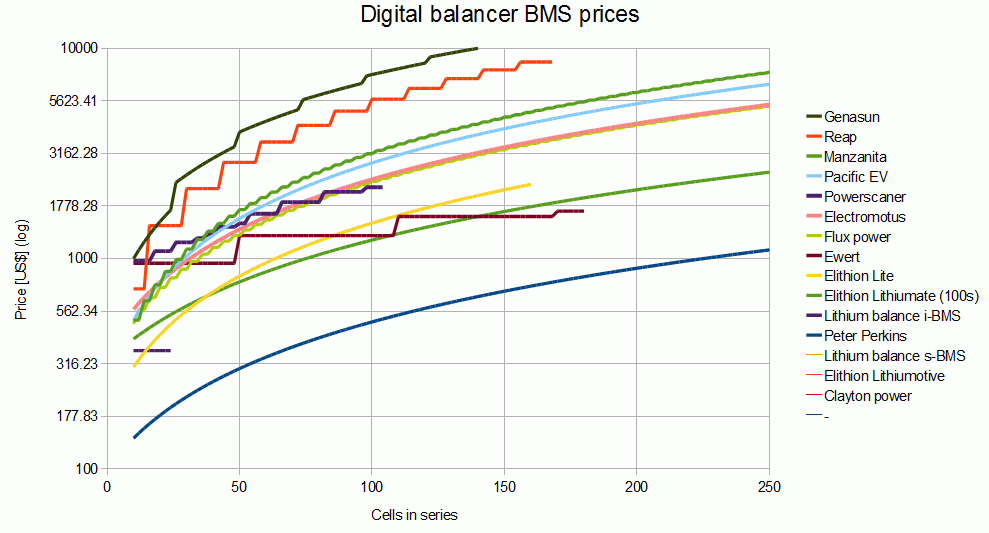
Note: log scales. Sources: (15)
To see additional information, hover your cursor over the icons.
Company
(1)
| Picture
(2)
| Model
| Topology
(3)
| No of cells
(4)
| Cell shape
(5)
| Balance
current
| Temper.
(7)
| Curr.
sense
(8)
| "Fuel
gauge"
(9)
| Isol. detect
| Comm.
(10)
| Fan
drive
(11)
| Contac.
drive
(12)
| Displ.
(13)
| Case
(14)
|
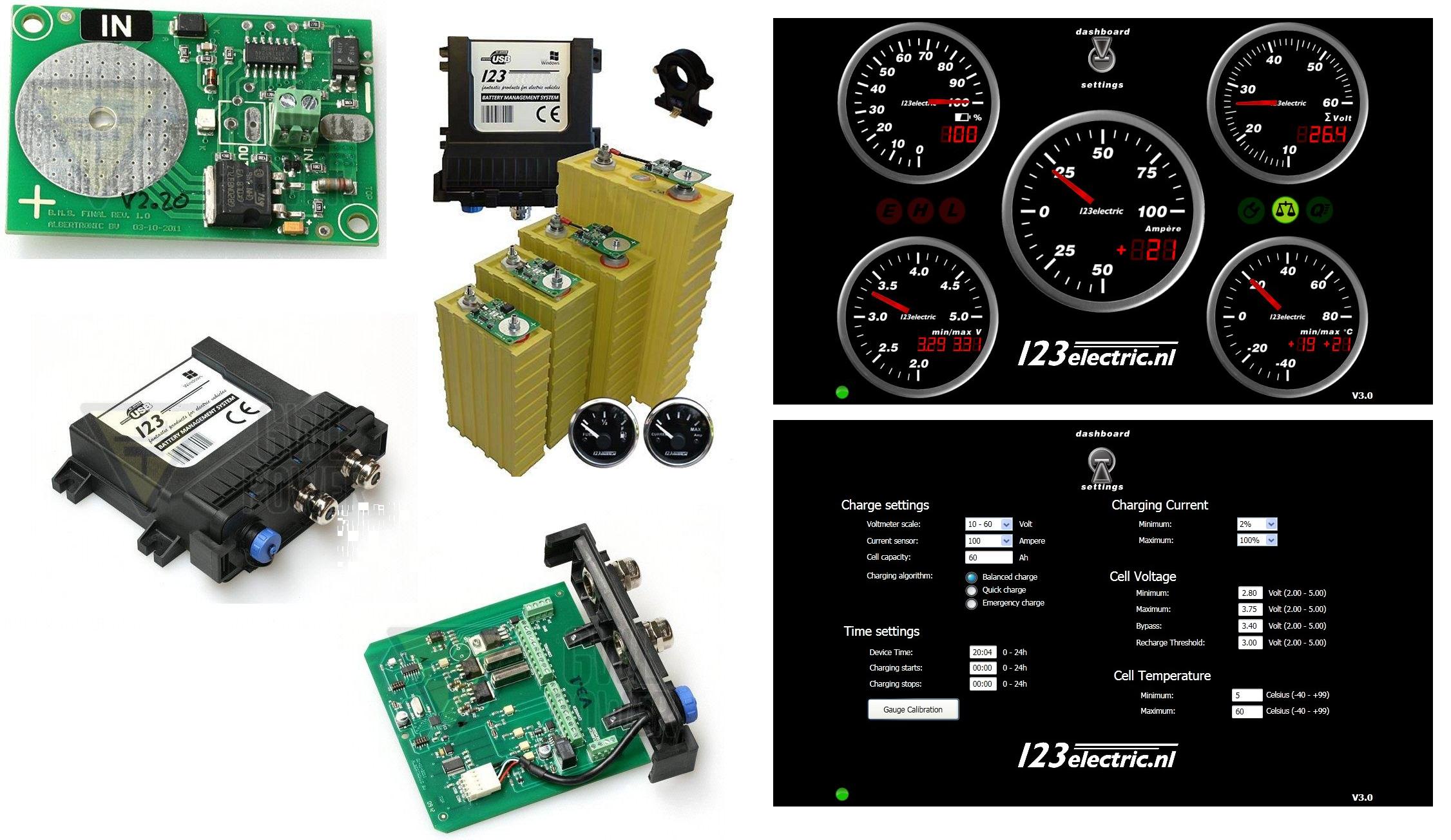
123 Electric
The Netherlands
∝
| 
| 123SmartBMS
| Distributed
| 1~255
| Prismatic
| 1 A
| ✓
| ✓
| ✓
| ✓
| Bluetooth
| -
| ✓
| -
| -
|
Ashwoods Energy Limited
UK
| Out of business
|
Balancell
South Africa
∝
| No longer selling BMSs
|
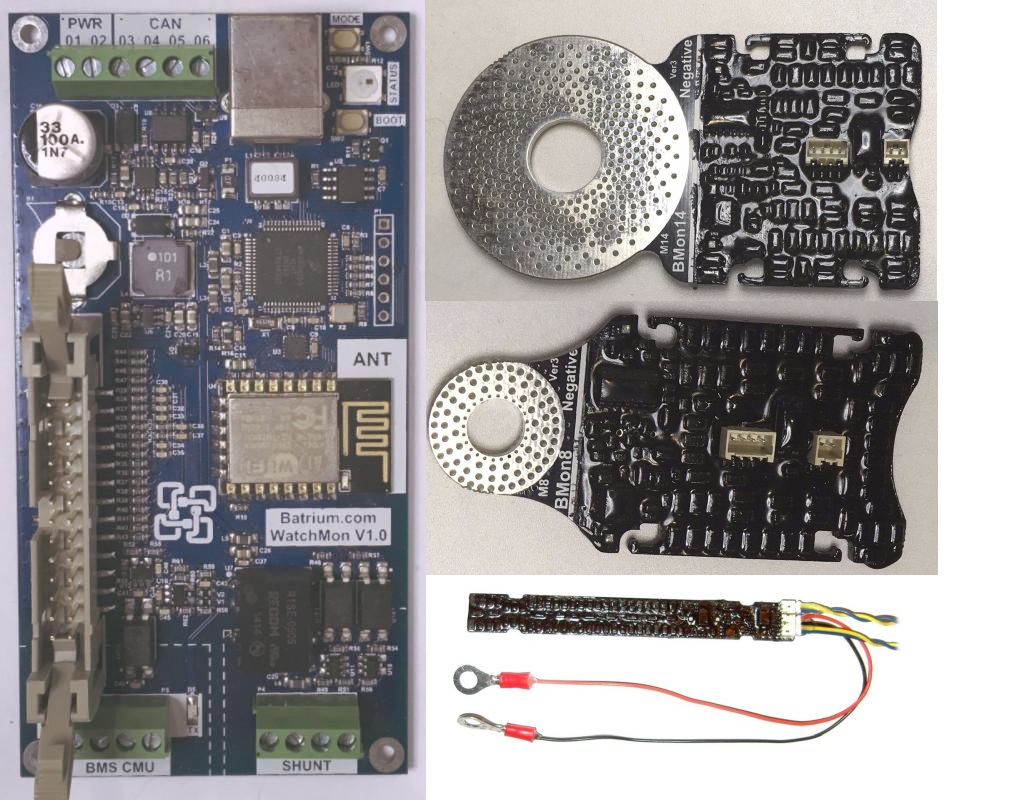
Batrium
NSW
Australia
∝
| 
| WatchMon
| Distributed
| 1~249
| Prismatic
/ Large cylindrical
| 0~2 A
| ✓
| ✓
| ✓
| ✓
| CAN
WiFi
USB
| -
| -
| -
| -
|
| BatteryMan
| Out of business
|
| Black Sheep Technology
| No longer selling BMSs
|
| Clayton power
| No longer selling off-the-shelf BMSs; custom BMS only
|
| Convert the future
| Out of business
|
| Eberspaecher
| Out of business
|
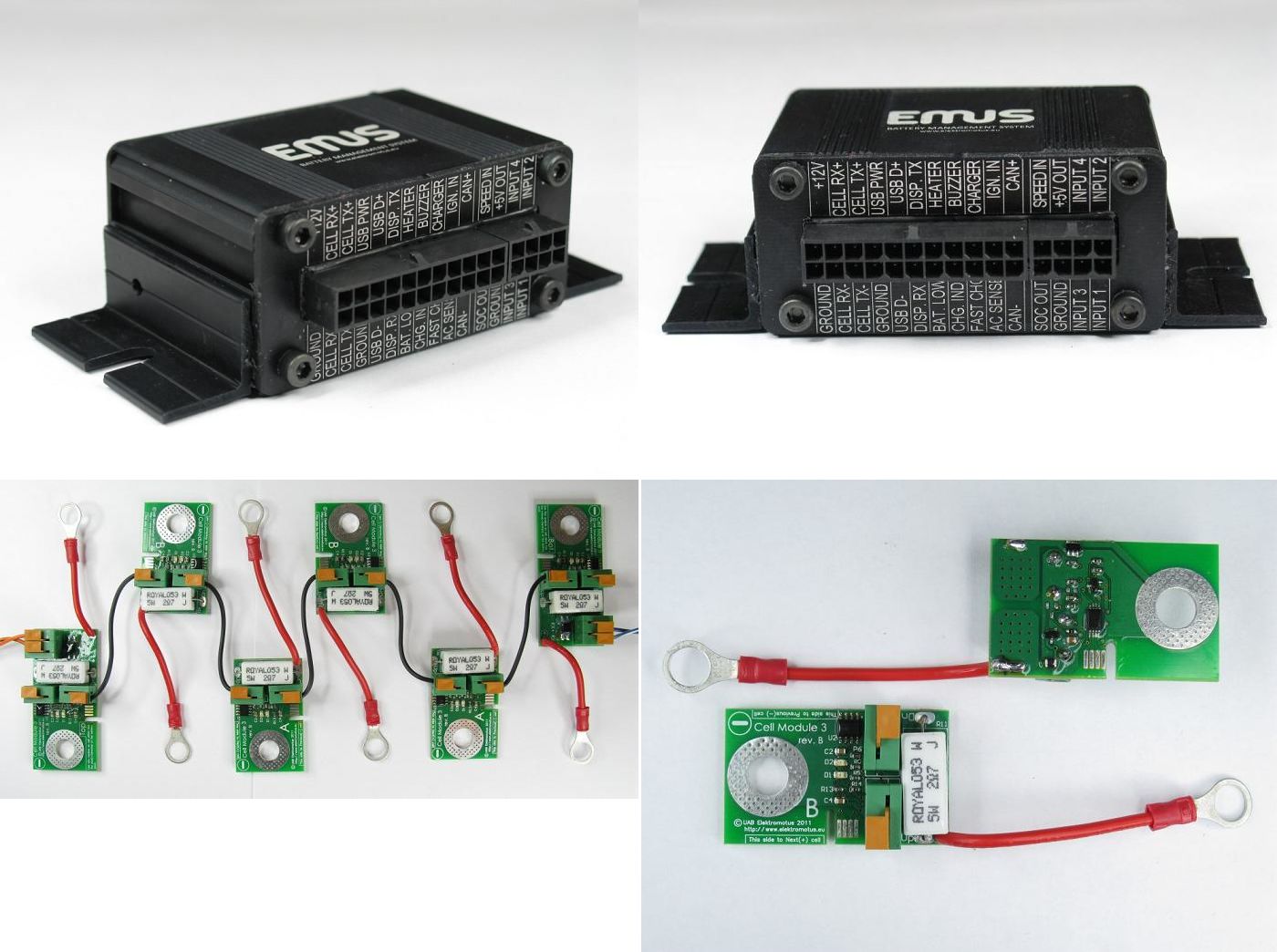
Emus
(Formerly Elektromotus)
Gintautas Paluckas
Lithuania
| 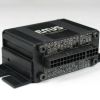
| EMUS BMS
| Distributed
| 4~256
| Prismatic
| 1.3 A
| ✓
| ✓
| ✓
| -
| Wire
CAN
USB
RS232
| ✓
| -
| Avail.
GUI
| Metal
|
Company
(1)
| Picture
(2)
| Model
| Topology
(3)
| No of cells
(4)
| Cell shape
(5)
| Balance
current
| Temper.
(7)
| Curr.
sense
(8)
| "Fuel
gauge"
(9)
| Isol. detect
| Comm.
(10)
| Fan
drive
(11)
| Contac.
drive
(12)
| Displ.
(13)
| Case
(14)
|
Elithion
Davide Andrea
US
Colorado
| 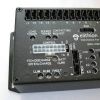
| Lithiumate™ Pro
| Distributed
| 2~255
| Sml cyl
Lrg cyl
Prism.
Pouch
| 0.2 A /
3 A
| 1 / cell
| ✓
| ✓
| ✓
| Wire
CAN
RS232
| ✓
| ✓
| Avail.
GUI
| Metal
|
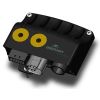
| Lithiumate™ HD
| Distributed
| 2~200
| Sml cyl
Lrg cyl
Prism.
Pouch
| 0.2 A /
3 A
| 1 / cell
| ✓
| ✓
| ✓
| Wire
CAN
RS232
| ✓
| ✓
| Avail.
GUI
| Sealed composite
|
|
| Vinci EV
| Master/slave
wired or distrib.
| 2~1000
| Any
| 0.1 A
| 1/cell
| 1000 A
| ✓
| ✓
| Wire
CAN
USB
| ✓
| ✓
| GUI
| Sealed composite
|
|
| Vinci HV
| Master/slave
wired or distrib.
| 2~1000
| Any
| 0.1 A
| 1/cell
| 1000 A
| ✓
| ✓
| Wire
CAN
USB
Modbus RS485
Ethernet
| ✓
| ✓
| GUI
| Sealed composite
|
|
| Vinci LV
| Centralized
wired
| 2~16
60 batts in par.
| Any
| 0.1 A /
3 A
| 3
| 1000 A
| ✓
| ✓
| Wire
CAN
USB
Modbus RS485
Ethernet
WiFi
RS232
| ✓
| ✓
MOSFET
| GUI
| Sealed composite
|
Company
(1)
| Picture
(2)
| Model
| Topology
(3)
| No of cells
(4)
| Cell shape
(5)
| Balance
current
| Temper.
(7)
| Curr.
sense
(8)
| "Fuel
gauge"
(9)
| Isol. detect
| Comm.
(10)
| Fan
drive
(11)
| Contac.
drive
(12)
| Displ.
(13)
| Case
(14)
|
| Elecyr
| No longer selling BMSs
|
| Evaira
| Out of business
|
E-Pow
(Huizhou EPower Electronics)
| Out of business
|
EVLithium
(Norway) (Not to be confused by the Chinese reseller by the same name.)
| Out of business
|
EVPST
China
Guangzhou
| 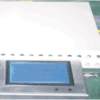
| BMS-4
| Wired,
Master/slave
| ???
| Any
| ✓
| ✓
| ✓
| ✓
| -
| CAN
RS485
| -
| -
| ✓
| Metal
|
Ewert Energy Systems
Chris Ewer
US
Illinois
| 
| Orion™
| Wired,
Centralized
| 1~180
| Any
| ✓
| ✓
| ✓
| ✓
| ✓
| Wire
CAN
| ✓
| -
| GUI
| Metal
|
| Orion JR
| Wired,
Centralized
| 16
| Any
| ✓
| ✓
| ✓
| ✓
| -
| Wire
| -
| -
| ✓
| Plastic
|
| Flux Power
| No longer selling BMSs
|
Freemens
France
| Sold designs to Ion Energy, India
|
Company
(1)
| Picture
(2)
| Model
| Topology
(3)
| No of cells
(4)
| Cell shape
(5)
| Balance
current
| Temper.
(7)
| Curr.
sense
(8)
| "Fuel
gauge"
(9)
| Isol. detect
| Comm.
(10)
| Fan
drive
(11)
| Contac.
drive
(12)
| Displ.
(13)
| Case
(14)
|
Gannon
USA
| Out of business
|
| GfE/GK-Anlagentechnik
| No longer selling BMSs
|
Guantuo
China
Heilongjiang
| Seems to be out of business
|
GWL Power
Czech Republic
EU
| No longer offering their own BMS; now reselling BMS123 Smart from 123 Electric
|
I + ME ACTIA
Germany
| 
| IME
| Wired,
Master/slave
| 140 max
| Any
| ✓
| ✓
| ✓
| ✓
| -
| CAN
RS232
| -
| -
| -
| -
|
ION Energy
Mumbai, India
∝ (Very slow loading site)
| 
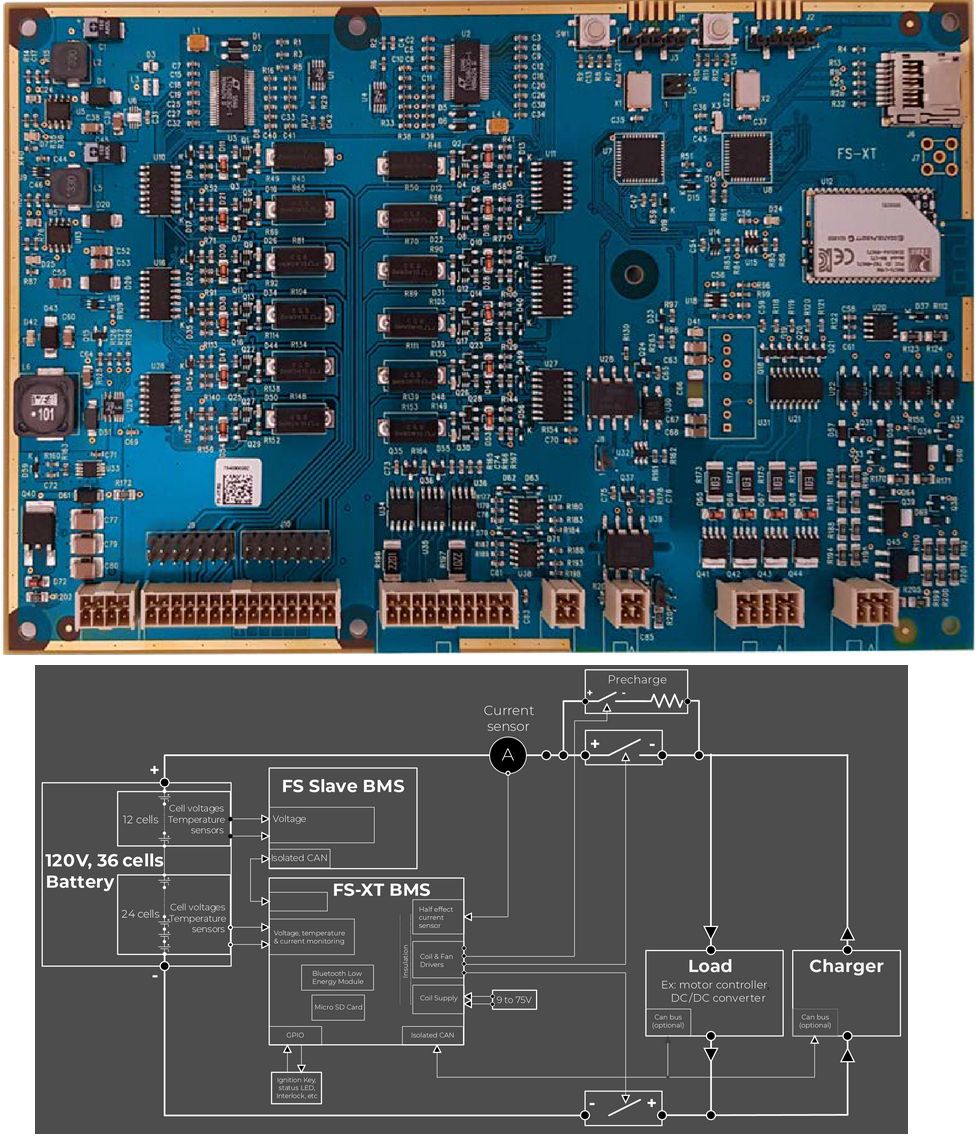
| FS-XT (Bought tech from Freemens, France)
| Wired,
Master/slave
| 192 max
| Any
| 420 mA
| 4/board
| ✓
| ✓
| -
| CAN
Bluetooth
| -
| ✓
| -
| -
|
JTT
Vancouver, BC
Canada
∝
| 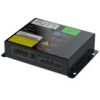
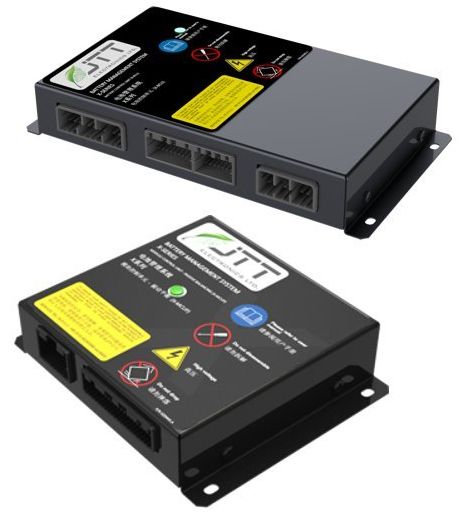
| S-Series
| Wired,
Centralized
| 4~48
| Any
| 0.3 A
| 1 / cell
| 300 A
| ✓
| -
| CAN, RS232
| ✓
| ✓
| GUI
| Metal
|
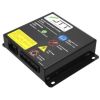
| X-Series
| Wired,
Master/slave
| 2~240
| Any
| 0.3 A
| 2/slave
| 300 A
| ✓
| ✓
| 2 x CAN
| ✓
| ✓
| GUI
| Metal
|
Jon Elis
Lithuania
EU
∝
| Out of business
|
Company
(1)
| Picture
(2)
| Model
| Topology
(3)
| No of cells
(4)
| Cell shape
(5)
| Balance
current
| Temper.
(7)
| Curr.
sense
(8)
| "Fuel
gauge"
(9)
| Isol. detect
| Comm.
(10)
| Fan
drive
(11)
| Contac.
drive
(12)
| Displ.
(13)
| Case
(14)
|
Ligoo
Anhui Wicom New Energy Technology
| Out of business
|
Lithium Balance
Denmark
| 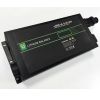
| LiBAL sBMS
| Wired,
Master/slave
| 256
| Any
| ✓
| ✓
| ✓
| ✓
| ✓
| CAN (CANopen)
wire
| -
| -
| -
| Metal
|
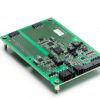
| LiBAL sBMS 9-16
| Wired,
Master/slave
| 16
| Any
| ✓
| ✓
| ✓
| ✓
| ✓
| CAN
wire
| -
| -
| -
| -
|
Manzanita Micro
Rich Rudman
US
Washington
| No longer offering a BMU
|
Methods
Patrick Schindler
US
California
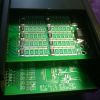
| 
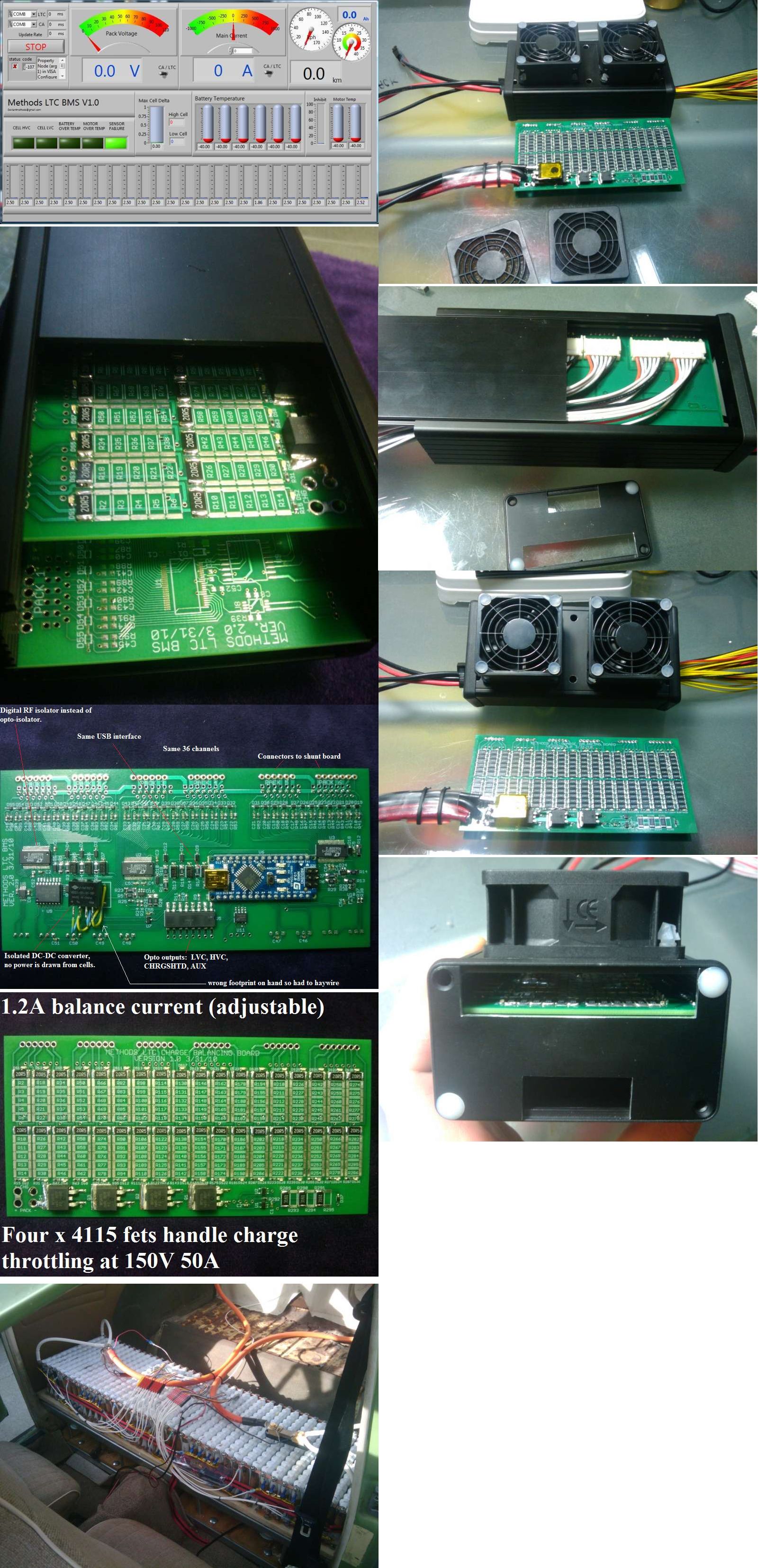
| LTC BMS
| Wired,
Centralized
| 36
| Any
| ✓
| ✓
| ✓
| ✓
| -
| Wire
USB
| -
| -
| -
| Aluminum
|
| Millen Works
| Out of business
|
Movicom Electric
∝
Russia
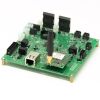
| 
| Movicom BMS
| WiredMaster/slave
256
| Any
| 0.35 A
| 1/cell
| Hall Effect
| ✓
| -
| CAN (CANopen), Wifi, MODbus
| -
| ✓
| GUI, LCD, beeper
| -
|
Nuvation
US
California
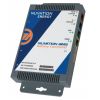
| 
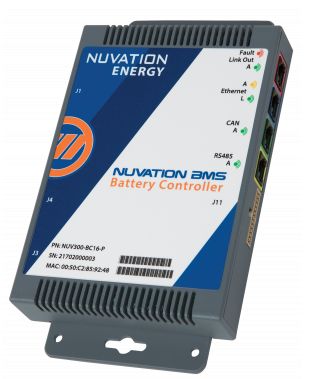
| Low voltage
| Wired,
Centralized
| ?~16
| Any
| ✓
| 8 total
| ✓
| ✓
|
| Modbus TCP, Modbus RTU, CAN
|
| ✓
|
| Plastic
|
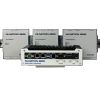
| High voltage
| Wired,
Master slave
| Many
| Any
| 300 mA
| 8 / slave
| ✓
| ✓
| ✓
| Modbus TCP, Modbus RTU, CAN
|
| ✓
|
| Metal
|
Company
(1)
| Picture
(2)
| Model
| Topology
(3)
| No of cells
(4)
| Cell shape
(5)
| Balance
current
| Temper.
(7)
| Curr.
sense
(8)
| "Fuel
gauge"
(9)
| Isol. detect
| Comm.
(10)
| Fan
drive
(11)
| Contac.
drive
(12)
| Displ.
(13)
| Case
(14)
|
O'Cell Technology
China, Shenzhen
| No longer selling BMSs
|
| Pacific EV
| Out of business
|
Peter Perkins
UK
| 
| V series
| Distributed or
Wired,
Master/slave
| 1~255
| Prismatic
| ✓
| ✓
| ✓
| ✓
| -
| Wire
RS232
| -
| -
| Included
| -
|
Prohelion ∝
Australia
| 
| IQ System
(Formerly from Tritium)
| Master Slave
| 256
| Any
| 0.25 A
| ✓
| ✓
| ✓
| -
| CAN
| ✓
| ✓
| -
| -
|
REC
Slovenia
EU
| 
| BMS
| Master/Slave
| 240
| Any
| 1.3 A
| ✓
| ✓:
380 A
| ✓
| -
| CAN, RS485
| ✓
| ✓
| GUI
| Metal
|
|
| Q16S
| Centralized
| 16
|
| ✓
|
| ✓
|
|
| CAN, RS-485
|
|
|
| Metal
|
| Active
| Centralized
| 4
| Any
| 2 A
| ✓
| ✓
|
|
| CAN, RS485
|
|
|
| Metal
|
Shanghai Founding New Energy Technology
/ Leoyun New Energy
China
∝
Resold by EVlithium (China)
| 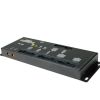
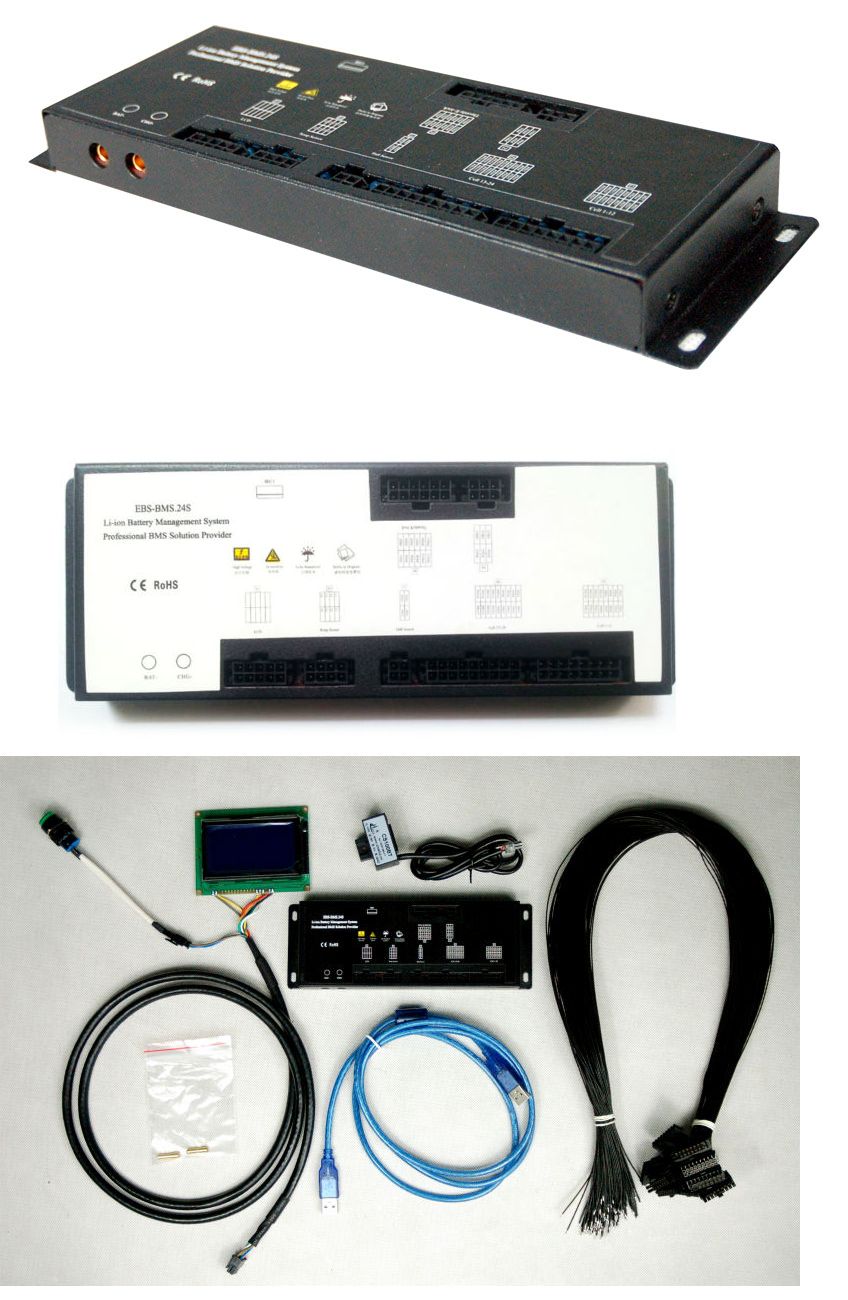
| EBS-BMS.24S
| Centralized
| 4~24
for bike
| Any
|
|
|
|
|
|
|
|
|
| Metal
|
STW and Fraunhofer IVI
∝
Germany / USA
| 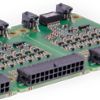
| mBMS
| WiredMaster/slave
| 8~300
| Any
| 0.16 A
| ✓
| 800 A
Shunt
| ✓
| -
| CAN (CANopen)
| ✓
|
| GUI
| -
|
KLClear
China
| No longer selling BMSs
|
| Tritium
| No longer selling BMSs
|
| REAP systems
| No longer selling BMSs
|
| Ventec
| No longer selling BMSs
|
Volrad
Ankara
Turkey
∝
| 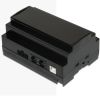
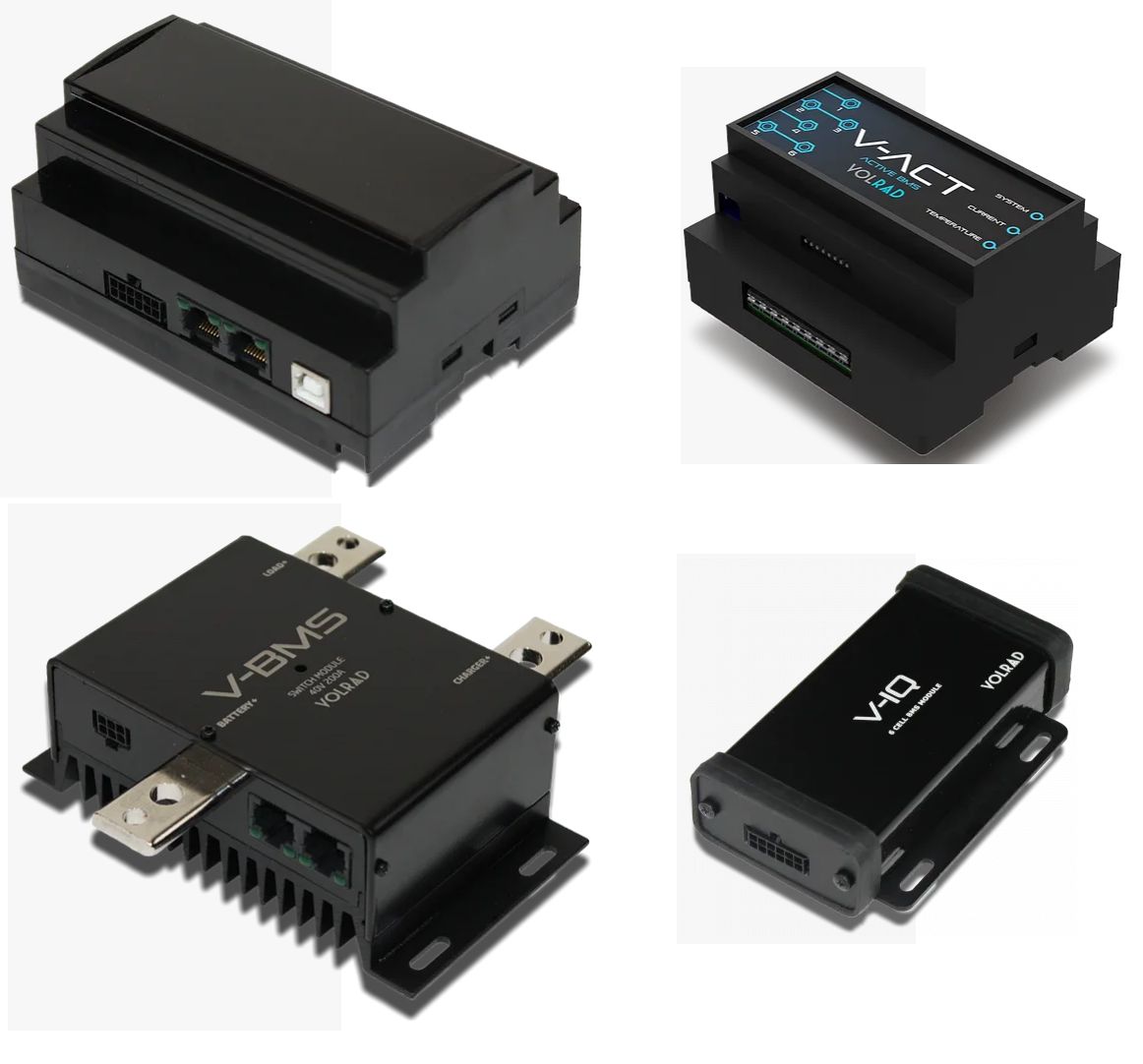
| V-BMS
| Wired,
Master-slave
| 3-600
| Any
| 1 A
| 2
| 3200 A
| ✓
| -
| CAN
RS-485
USB
WiFi, BlueTooth
| -
| ✓
| GUI
| Metal
|
Zeva
Ian Hooper
West Australia
Australia
∝
| No longer accepting orders. Engineering files released to the public.
|
Company
(1)
| Picture
(2)
| Model
| Topology
(3)
| No of cells
(4)
| Cell shape
(5)
| Balance
current
| Temper.
(7)
| Curr.
sense
(8)
| "Fuel
gauge"
(9)
| Isol. detect
| Comm.
(10)
| Fan
drive
(11)
| Contac.
drive
(12)
| Displ.
(13)
| Case
(14)
| | |
Sophisticated digital technology, able to measure and report every cell voltage, to calculate SOC, and to request that the battery current be shut off to protect it.
Not able to balance the battery pack.
To see additional information, hover your cursor over the icons.
Company
(1)
| Picture
(2)
| Model
| Topology
(3)
| No of cells
(4)
| Cell shape
(5)
| Temper.
(7)
| Curr.
sense
(8)
| "Fuel
gauge"
(9)
| Comm.
(10)
| Fan
drive
(11)
| Contac.
drive
(12)
| Displ.
(13)
| Case
(14)
|
All New Energy
Distributed by Lithium Batteries Australia (LBA) / Battery Manufacturer's International (BMI) / LifeBatt
Taiwan
| 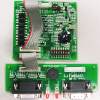
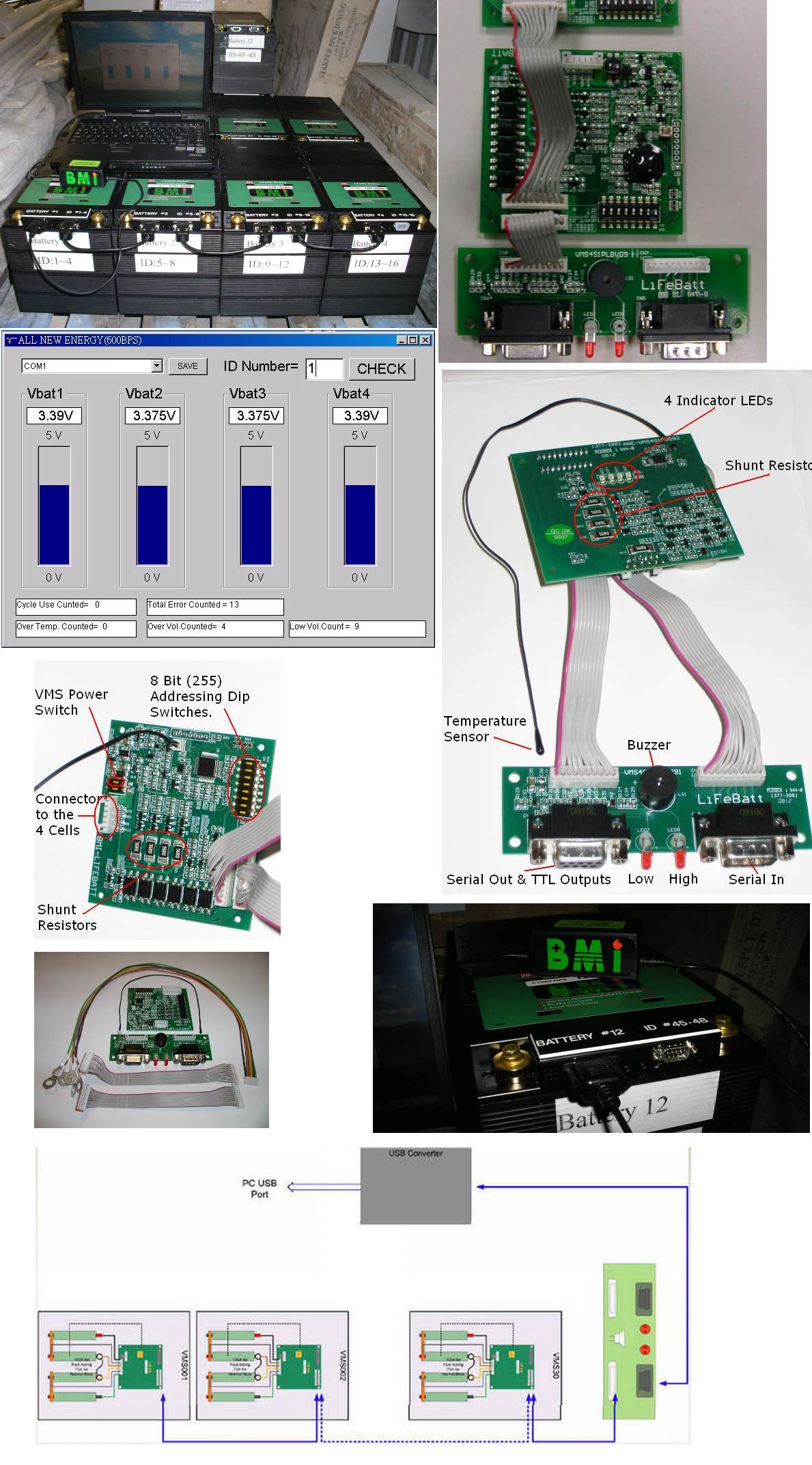
| VMS / GBTS
| Wired,
Modular
| 1~24
| Any
|
| ✓
| -
| Wire
serial
| -
| -
| -
| -
|
| Electric Blue Motors
| Out of business
|
| Guantuo
| No longer selling monitor BMSs
|
Manzanita Micro
Rich Rudman
US
Washington
| 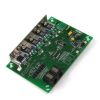
| MK3x4SMT regulator
| Wired,
Master/slave
| Any
| Any
| ✓
| -
| -
| -
| -
| -
| -
| -
|
Company
(1)
| Picture
(2)
| Model
| Topology
(3)
| No of cells
(4)
| Cell shape
(5)
| Temper.
(7)
| Curr.
sense
(8)
| "Fuel
gauge"
(9)
| Comm.
(10)
| Fan
drive
(11)
| Contac.
drive
(12)
| Displ.
(13)
| Case
(14)
|
LEM
Switzerland
| No longer offering a BMS
|
| Lithium Start
| No longer selling BMSs
|
Rozwiazania dla EV
("Solutions for EV")
Poland
No website
| 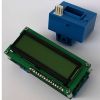
| iBMS
| Wired,
Master/slave
| 4~24
| Any
| ✓
| ✓
| ✓
| Wire
RS485
| -
| -
| ✓
| -
|
Shenzhen Junsi Electronic Co
Shenzhen, China
| 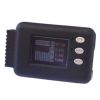
| S8
| Wired,
Centralized
| 2~8
| Any
| -
| -
| -
| USB
Wire
| -
| -
| ✓
| Plastic
|
| Worley Parsons
| No longer selling BMSs
|
Company
(1)
| Picture
(2)
| Model
| Topology
(3)
| No of cells
(4)
| Cell shape
(5)
| Temper.
(7)
| Curr.
sense
(8)
| "Fuel
gauge"
(9)
| Comm.
(10)
| Fan
drive
(11)
| Contac.
drive
(12)
| Displ.
(13)
| Case
(14)
|
Sophisticated digital technology, able to measure and report every cell voltage.
Not able to balance the battery pack; does not protect the battery (does not request that the battery current be shut off).
To see additional information, hover your cursor over the icons.
Company
(1)
| Picture
(2)
| Model
| Topology
(3)
| No of cells
(4)
| Cell shape
(5)
| Temper.
(7)
| Curr.
sense
(8)
| "Fuel
gauge"
(9)
| Comm.
(10)
| Fan
drive
(11)
| Contac.
drive
(12)
| Displ.
(13)
| Case
(14)
|
| CasaDelGato
| No longer selling BMSs
|
| Ken Hall
| No longer selling BMSs
|
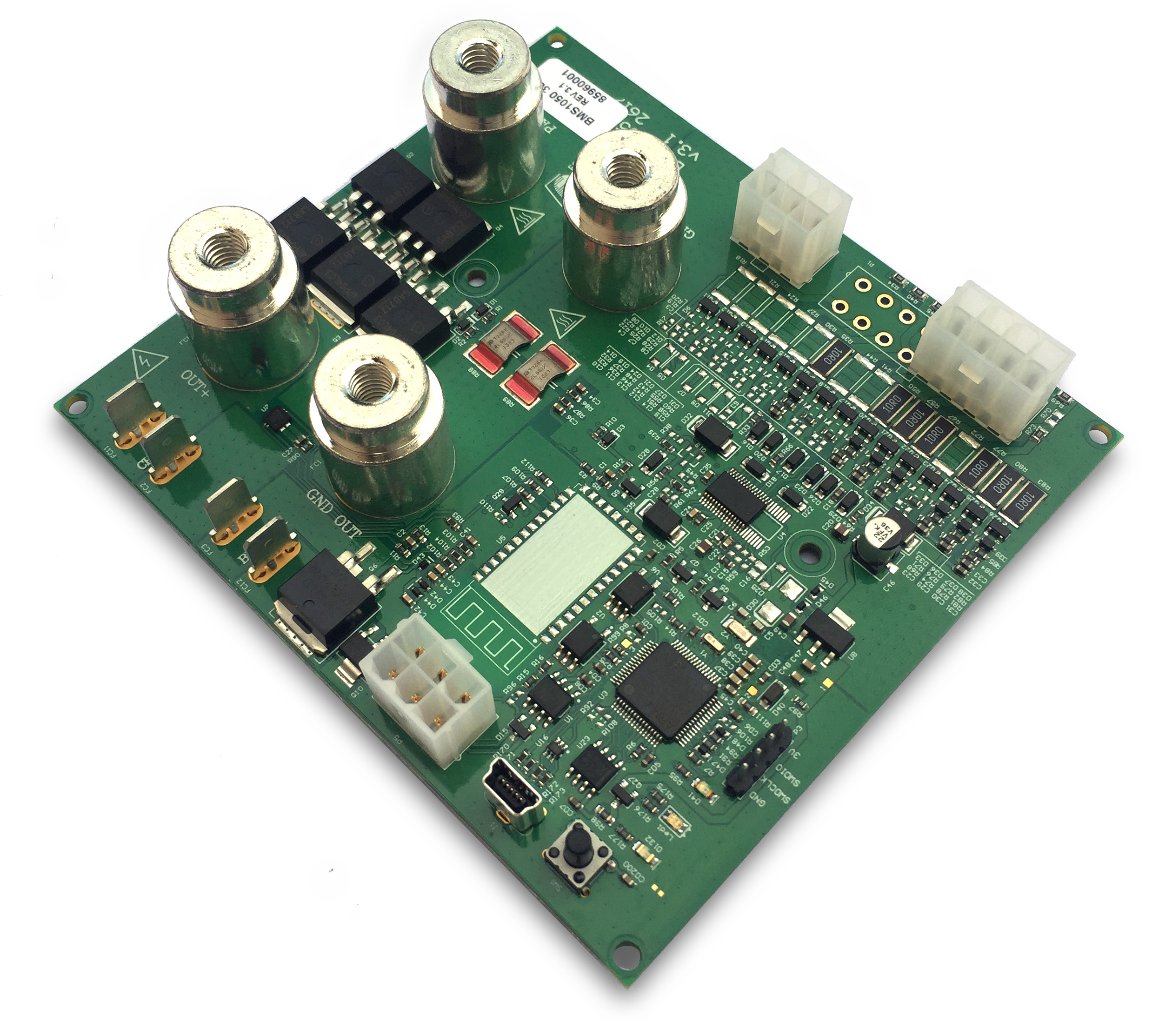
- A protection circuit is a BMS that also includes a way to interrupt the battery current to protect the battery (unlike a protection circuit, a standard BMS must rely on external devices (charger, motor controller, contactors) to reduce or stop the battery current when the BMS tells them to)
- Protection circuits usually are meant for small batteries (cell phones, laptops) as they can usually only handle a few Amps of battery current
Sources of commercially available circuit protectors for small Li-Ion batteries:
- A123RC,
- All battery.
- Apollo, China: PCMs for up to 13 cells in series, 20 A
- AYAA, sold through Alibaba
- Baleaf Energy, China: (no longer in business)
- BMS Battery, may be just a reseller
- Best Tech Power, PCMs, balancers, and other components for small batteries, ShenZhen,China. Also digital BMSs with fuel gauge and communications: CAN, bluetooth
- Cyclone (no longer offering BMSs)
- Various from ECityPower, sold by BMS battery and EVPST
- Green Bike, may be just a reseller
- Green Eco, three models, from 3 to 15 cells in series.
- Kennedy Alternative Energy (no longer in business)
- Methtek (no longer in business)
- Micro Vehicle Lab
- OSN power
- Powerlogics
- QuaWin Electronics (no longer in business)
- Shenzhen Leadyo Technology
- Shenzhen Li-ion Bodyguard Technology,
- Shenzhen Smartec, sold through Alibaba
- Shenzhen Klclear Technology, BMB01, 16-cell protector, 10 A or 50 A, for UPSs
- Smart Electronics (no longer in business)
- SmarTec.
- Southwest Electronic Energy Group (no longer offering BMSs)
- SU Power Battery, (no longer in business)
- Yesa Power (no longer offering BMSs)
- XJR Technology, sold through AliExpress
Simple analog technology, just able to detect that some cell's voltage is too low or too high, but unable to report which one. Able to balance the battery.
To see additional information, hover your cursor over the icons.
Company
(1)
| Picture
(2)
| Topology
(3)
| No of cells
(4)
| Cell shape
(5)
| Balan.
(6)
| Temper.
(7)
| Curr.
sense
(8)
| "Fuel
gauge"
(9)
| Comm.
(10)
| Displ.
(13)
| Case
(14)
| Price,
14-cell
[US$]
(15)
http://www.saiettaengineering.com/
|
| Agni motors
| Out of business
|
| Black Sheep Technology
| No longer selling BMSs
|
Belktronix
Bryan Belk
US
California
| 
| Distributed
| 1~44
| Any
| ✓
| -
| -
| -
| Wire
| -
| -
| ?
|
| Clean Power
| No longer selling BMSs
|
Company
(1)
| Picture
(2)
| Topology
(3)
| No of cells
(4)
| Cell shape
(5)
| Balan.
(6)
| Temper.
(7)
| Curr.
sense
(8)
| "Fuel
gauge"
(9)
| Comm.
(10)
| Displ.
(13)
| Case
(14)
| Price,
14-cell
[US$]
(15)
|
EV Power
Rod Dilkes
Australia
W. Aus.
| 
| Distributed
| 1~any
| Prismatic
| ✓
| -
| -
| -
| Wire
| -
| Metal
| 186
|
EV Works
Rod Dilkes
Australia
W. Aus.
| 
| Centralized
| 8
| Any
| ✓
| -
| -
| -
| Wire
| -
| -
|
|
LiPoTech
Francesco Tosoni
San Marino
(Italy)
| 
| Distributed
| 1~any
| Any
| ✓
| -
| -
| -
| Wire
| -
| -
| € 40 /
4-cells
|
Low Carbon Idea
China
∝
| Out of business
|
High Tech Systems
Derek Barger
US
Colorado
| No longer offering a BMS
|
Company
(1)
| Picture
(2)
| Topology
(3)
| No of cells
(4)
| Cell shape
(5)
| Balan.
(6)
| Temper.
(7)
| Curr.
sense
(8)
| "Fuel
gauge"
(9)
| Comm.
(10)
| Displ.
(13)
| Case
(14)
| Price,
14-cell
[US$]
(15)
|
Simple analog technology, just able to detect that some cell's voltage is too low or too high, but unable to report which one nor to balance the battery.
To see additional information, hover your cursor over the icons.
Regulators (also called "equalizers" or "balancers") are sometimes used in Li-Ion packs as a simple protection against overcharging.
A regulator is required across each cell.
A regulator performs balancing during charging by bypassing charging current from the fully charged cells, so that other cells in the battery can finish charging.
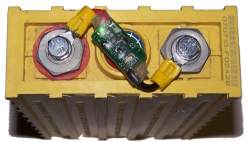
Elite Power Solutions Battery Balancer.
What regulators do:
- Regulator remove excess energy from cells whose voltage is above a certain threshold, but that's all they do
What regulators don't do:
- Regulator can't keep individual cells in a battery from overcharging
- Regulator don't monitor the entire battery, and don't report on its status
- Regulators do not protect a pack from undercharging
- Regulators are not able to tell the charger to stop charging: a human has to keep an eye on the regulators (which usually have LEDs) and shut down the charger
- Regulators cannot not tell external devices to slow down or stop charging or discharging; therefore, a pack with regulators can still be under-charged, and overcharging may damage the regulators
- Regulators can't protect themselves from overheat: they will be damaged if a CCCV charger's end current is higher than the regulators can bypass
EXCEPTION: The EV West bottom balancer actually does things the other way around:
- Instead of top balancing, it bottom balances: it removes energy from a cell until it's empty
- Instead of being permanently mounted on a cell, it is used only once, at manufacture, to empty a single cell at a time
- Instead of being installed in addition to a non-balancing BMS, this bottom balancer is intended to be used without any BMS at all
Sources of commercially available regulators for Li-Ion cells:
- Linano - Prismatic cell - Europe
- CBM1 - Cell Balancing Module - 3.60V- 1.7A - Europe
- Hot Juice Electric - US - Texas. No longer made.
- Elite Power Solutions Battery Balancer sold by Electric Blue Motors - regulator for a single LiFePO4 prismatic cell
- For 90 Ah prismatic cells
- Probably on the order of 200 mA balance current
- Fixed 3.7 V voltage
- Not ideal for LiFePO4 cells: the shunt voltage is a bit too high
- Won't work with Thundersky cells: the shunt voltage is too low
- Won't allow LiPo and cobalt lithium cells charge fully: the shunt voltage is too low
- $ 13 each
- Bat Guard, by LL Labs (no website), sold by Anida in Dallas, TX, US
- High power regulator: 4 A max current
- While shunting, a yellow LED is lit.
- If the fuse blows, a red LED will light, but cell will soon be toast, so a human has to watch the LEDs at all times
- Fixed 3.67 V knee voltage, 3.7 V max voltage
- Not ideal for LiFePO4 cells: the shunt voltage is a bit too high
- Won't work with Thundersky cells: the shunt voltage is too low
- Won't allow LiPo and cobalt lithium cells charge fully: the shunt voltage is too low
- Between $ 40 to $ 60 each, depending on quantity
- Company: Trade names are the property of their respective owners. A few other companies are getting ready to offer Li-Ion BMSs, but are not yet ready to be listed here (for example, Evie Systems).
- Picture:
• Click to see the complete picture (if available)
- Topology (more info):
• BMS: does not include a switch to cut off the battery current
• Protector: includes a switch to cut off the battery current
• Centralized ("spaghetti"): single BMS controller with n+1 wires going to n cells
• Centralized with slaves: single BMS controller connected to a few slave boards, each with n+1 wires going to n cells
• Modular: single BMS controller with n+1 wires going to n cells; expanded by adding more, identical BMS controllers
• Distributed: small board mounted on each cell; BMS controller connected just to the 2 cells at either end of a battery
- Number of cells: this is the acceptable range in the number of cells in series. The number of cells in parallel does not matter.
- Cell shape:
• Small cylindrical: cylindrical cells to be welded, such as the 18650 or the 26650 sizes
• Large cylindrical: cylindrical cells with screw terminations at either end
• Prismatic: boxy cells with screw terminations on top, such as Thundersky
• Pouch: soft bags with tabs on one end, such as Kokam
• Any: there are no electronics on the cells, so the BMS works with all the above, using wires
- Balance: The BMS is able to remove energy just from the most charged cells, to allow the other cells to reach the same level of charge. A balanced pack will have the maximum possible capacity. This is not as important for Hybrid Electric Vehicles.
- Temperature: The BMS is able to measure and report individual cells' temperature. (The 'more info' tells you if the temperature measurement is not for every cell.)
- Current sense: The BMS includes a current sensor or at least an input for a current sensor, to measure battery current. This enables the BMS to react to excessive current, and to calculate the SOS or DOD.
- "Fuel gauge": a.k.a.: "Gas Gauge". The BMS calculates the SOC (State Of Charge) or DOD (Depth Of Discharge), by integrating the battery current. Devices that simply use the voltage to estimate SOC are not included here.
- Communications: In general, the BMS must communicate with the rest of the system, to report the status of the pack, and be able to limit charging and discharging of the pack, in order to protect it.
• Wire: separate wires are used, each with a single, specific function, such as to turn on the charger relay.
• CAN: CAN bus, common in vehicles and European industrial equipment.
• RS232: serial point-to-point communication, usually used only for initial set-up and testing, but some time also available for communication during operation.
- Fan: The BMS is able to control or drive a cooling system
- Contactors: The BMS is able to control or drive a set of contactors between the battery pack and the load, including a precharge relay. Many motor controllers already have this function built in, so BMS controller that includes this function is not required.
- Display: Either the BMS includes a SOC display, or the company sells a display that is compatible with the BMS.
- Case: Whether the BMS controller is enclosed (metal or plastic case), or it is an open PCB assembly. Unless otherwise noted, any cell-mounted boards are assumed to be open PCB assemblies.
- Price: from manufacturers' websites or discussion with them or their clients. Conversions into US $ based on rates effective at the time of writing. Unless otherwise noted, prices are for small quantities.
Companies that offer custom BMS designs:
Some open source, DIY BMS projects:
- Rickygu openBMS
- Project Tumanako
- Peter Perkins
- Chris Ewert
- Hardy Electric Vehicles
- FreeBMS
- Goodrum/Fecther 4 to 24 cell, lifepo4 bms
- T P Packs BMS kit for 4~24 cells
- eBMS, a very sophisticated BMS
- LiteFyba BMS, digital balancer, distributed, optic fibre comms, for all prismatic cells, all Lithium chemistries, up to 255 cells in series, designed by Weber & Coulomb, members of the Australian Electric Vehicle Association
BMSs from cell manufacturers, only sold together with their cells.
Therefore, these BMS are not considered to be commercially available.
They are presented here only for reference
To see additional information, hover your cursor over the icons.
Cell company
(1)
| BMS company
(1)
| Picture
| Model
| Topology
(3)
| Function
| No of cells
(4)
| Temper.
(7)
| Curr.
sense
(8)
| "Fuel
gauge"
(9)
| Comm.
(10)
| Fan
drive
(11)
| Contac.
drive
(12)
| Displ.
(13)
| Case
(14)
| Price
|
| Elite Power
| EPS
| 
| BMS System
| Distributed
| Digital balancer
| 200
| ✓
| ✓
| ✓
| Wire
| -
| -
| ✓
| Plastic
| $370 / 16 cells
$470 / 24 cells
$1425 / 100 cells
|
| Thundersky
| Ningbo Yangming
(no link: attack website)
| BMS40
| Wired,
Master/slave
| Digital monitor
| 10,20,
30...100
| ✓
| ✓
| ✓
| ?
| ?
|
| Incl.
| Metal
|
|
| Valence
| Out of business
|
Cell company
(1)
| BMS company
(1)
| Picture
| Model
| Topology
(3)
| Function
| No of cells
(4)
| Temper.
(7)
| Curr.
sense
(8)
| "Fuel
gauge"
(9)
| Comm.
(10)
| Fan
drive
(11)
| Contac.
drive
(12)
| Displ.
(13)
| Case
(14)
| Price
| |
Also.
- Frazer-nash - Out of business
- KJohnson Matthey
- Ash Woods Energy - Out of business
- Vintage Voltage's EVView, Charlie Malone - Out of business
The following are not BMSs, but perform related functions.
- Cycle Analyst, battery meter for electric bikes
- EV-Display - Out of business
- Shenzhen Junsi Electronic Co - Out of business
|
|
 Li-Ion BMS


 Parametric BMS selector